Filed under: No-Self, Explained
Anatta, the Buddhist Teaching of No-Self, Explained Without Incense
Anatta is the Buddhist teaching that nothing you can point to is a permanent self. Here's the argument, the five aggregates it runs through, and what it doesn't mean.
5 min readCase No. 000-457
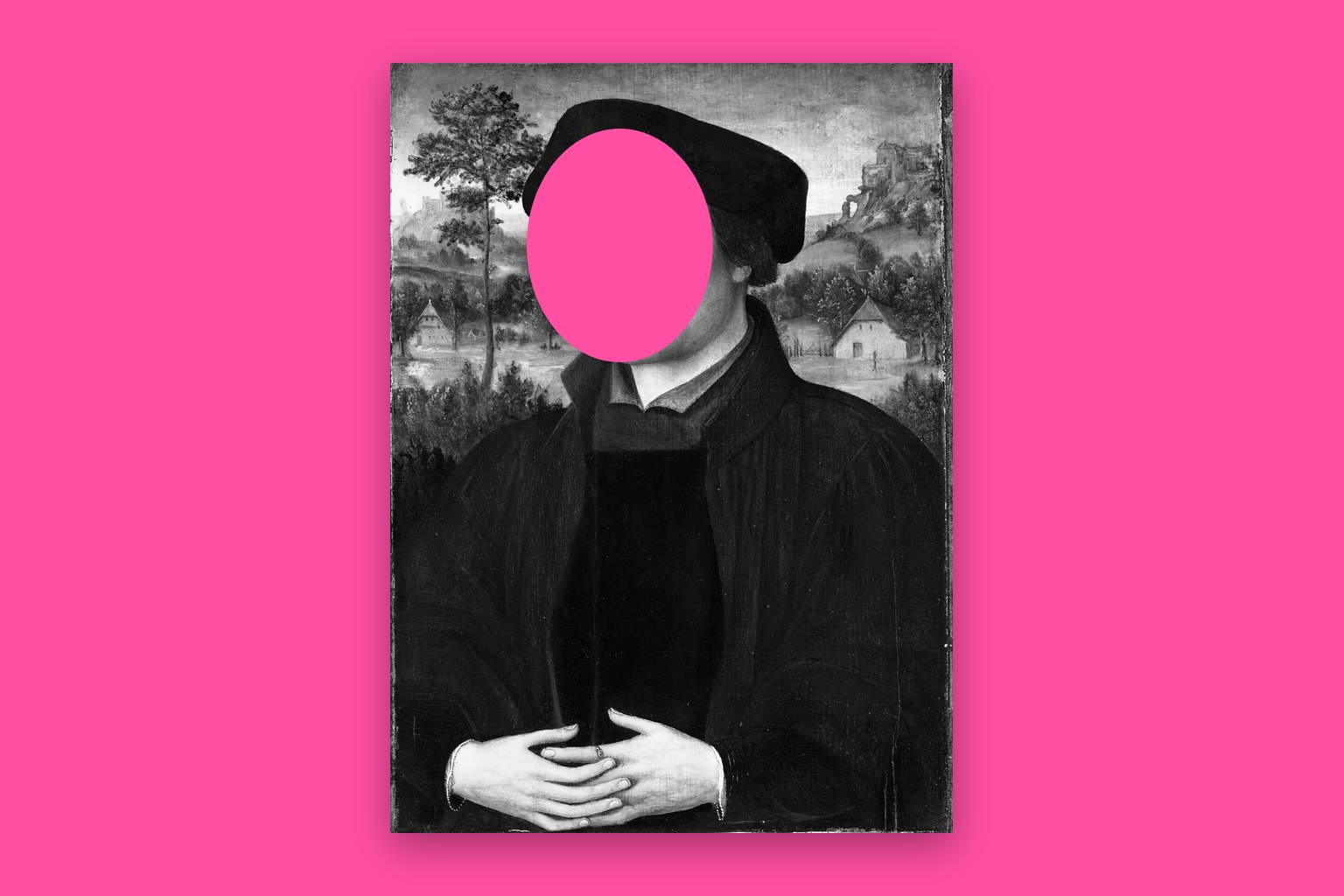
Anatta (Pali anattā, Sanskrit anātman) is the Buddhist teaching that nothing in experience is a permanent, independent self. Your body, your feelings, your perceptions, your mental habits and even your consciousness are all real and all happening, but none of them is a fixed owner standing behind the rest. Look for the self, the teaching says, and you'll find a process with nobody at the controls.
It's one of the oldest and most carefully argued ideas in the history of philosophy. It's also, we've noticed, usually explained in a soft voice with a gong in the background. We'll skip the gong.
What anatta means
The word is a negation: an- (not) plus attā (self). It isn't a claim that nothing exists. It's a claim about what kind of thing you are, or rather aren't.
Many religious and philosophical systems in the Buddha's time held that each person has an ātman, a true, permanent self, an inner essence that persists through change and perhaps through lifetimes. The Buddhist position, in its classic form, was that when you actually examine experience, no such permanent essence turns up.
Anatta is one of the three marks of existence, the three characteristics the tradition says apply to all conditioned things:
- Anicca, impermanence: everything changes.
- Dukkha, usually translated as suffering or unsatisfactoriness: nothing that changes can be a lasting refuge.
- Anattā, not-self: nothing that changes and can't be fully controlled is a self.
They're meant to be seen together. If something is always changing, and you can't simply order it to stop, in what sense is it "you"?
The five aggregates: the argument, step by step
The classic statement of anatta is a short discourse called the Anattalakkhana Sutta (Samyutta Nikaya 22.59), traditionally said to be the Buddha's second teaching, given to his first five students. Its method is an inventory.
It divides a person into five groups, or aggregates (khandhas):
- Form (rūpa): the body and physical matter.
- Feeling (vedanā): the pleasant, unpleasant or neutral tone of an experience.
- Perception (saññā): recognizing and labeling things.
- Mental formations (saṅkhāra): intentions, habits, the mind's patterns.
- Consciousness (viññāṇa): awareness of objects through the senses and mind.
Then it asks the same questions of each one. If form were self, the text says, it would be possible to say of it, in Thanissaro Bhikkhu's translation, "Let my form be thus. Let my form not be thus." And it isn't possible; the body gets sick and old regardless of instructions. Is it permanent or impermanent? Impermanent. Is what's impermanent satisfying or unsatisfying? Unsatisfying. Is it fitting to regard what's impermanent and unsatisfying as "This is mine. This is my self. This is what I am"? No.
Same questions, same answers, all five aggregates. The conclusion: none of them is self. According to the text, all five listeners were liberated on hearing it.
The chariot: a famous illustration
A later Buddhist text, The Questions of King Milinda, offers the most quoted illustration of anatta. The king asks the monk Nagasena his name, and Nagasena says that "Nagasena" is only a designation; there's no real person to be found behind it. The king objects, so Nagasena asks how the king arrived. By chariot. Then what is the chariot? Is it the axle? The wheels? The frame? The reins? None of those alone. Is it something separate from all the parts? Also no.
So "chariot," Nagasena concludes, is a convenient name for parts arranged in a certain way. It's not nothing. You can ride it. But there's no extra chariot-essence sitting among the parts. The same goes for a person: the name points to a working arrangement of body, feeling, perception, mental formations and consciousness, with no additional self hiding inside.
It's a useful image because it shows anatta isn't a claim that people are unreal. Chariots are real enough to get you to the palace. They just aren't what we assume they are.
What anatta doesn't mean
A few misreadings show up constantly.
It doesn't mean you don't matter. The teaching sits inside an ethical tradition with a lot to say about how to treat people. No-self is meant to loosen the grip of craving and defensiveness, not to make anyone disposable.
It doesn't mean nothing exists. The aggregates are real processes. What's denied is a permanent owner behind them.
It isn't one settled interpretation. Different schools read anatta differently. Some later Mahayana traditions emphasize emptiness (śūnyatā) more broadly. Scholars also debate whether the earliest texts deny any self whatsoever or deny only that the aggregates are self, leaving the question unanswered. If someone tells you there's one obvious Buddhist position, they're selling something, possibly a meditation app.
How to see it rather than believe it
Anatta is meant to be checked in experience, not taken on faith. Try this: sit for a minute and look for the one who is noticing your breath. You'll find sensations, a thought about sensations, maybe a thought about the thought. Look for the noticer behind those, and notice that what turns up is always another object, never the subject.
The tradition's claim is that this isn't a failure to look hard enough. It's what there is to find. David Hume, who had never read a sutta, ran the same test in 1739 and got the same result: wherever he looked, a perception, never a perceiver. (We covered that side in is the self an illusion.)
The Department of Non-Existence has completed its audit of the five aggregates. All five were present. None of them was you. Your file has been closed with a note of thanks.
Wearing it
We make jokes about a lot of things, but not about the Buddha or the people who practice his teaching; the jokes in this post are aimed squarely at the self, which keeps applying for a job that doesn't exist. Anatta is the oldest serious version of the idea our brand is built on, and There Is Nobody Here is our deadpan translation of it for a T-shirt. If you're new to all this, what non-duality is is a gentler place to start.
Sources
Questions
What is the difference between anatta and anatman?
None in meaning. Anattā is the Pali word and anātman is the Sanskrit; both mean 'not-self'.
Does anatta mean I don't exist?
Not in the sense of 'nothing is here.' It means that none of the things you might identify as yourself (body, feelings, perceptions, mental formations, consciousness) is a permanent, independent self. Experience still happens.
Do all Buddhist schools interpret anatta the same way?
No. Theravada, Mahayana and Vajrayana schools emphasize and interpret it differently, and scholars still debate whether the early texts deny any self at all or only deny that the aggregates are self.